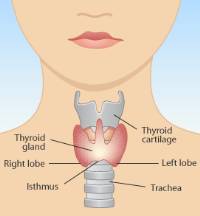

Thyroid hair loss can be caused by unbalanced activity of the thyroid gland. Known as hypothyroidism, this condition is responsible for a wide variety of symptoms, including thyroid hair loss.
Hypothyroidism or under active thyroid causes body functions of slow down. Symptoms are not always easy to identify and are often mistaken for depression. Some people, especially older people, may appear confused, forgetful, or demented — signs that can easily be mistaken for Alzheimer’s disease or other forms of dementia. Other symptoms include weight gain, carpal tunnel syndrome, constipation, hoarse voice and puffy face. Many people become sensitive to cold and their hands may tingle or hurt. A major symptom relates to the hair. In thyroid hair loss the hair becomes sparse, coarse and dry. If left untreated, hypothyroidism may eventually cause anemia, low body temperature, and heart failure.
Click Here And Learn What You Can About Thyroid Hair Loss!
Only a doctor can tell if you are experiencing thyroid hair loss. There is a simple blood test that measures the level of thyroid-stimulating hormone in the blood. Because under active thyroid is so common in older people, many doctors recommend performing the test every 2 years for people over 55. In some cases, another blood test may be necessary to measure the T4 hormone. If T4 is low, hypothyroidism is confirmed.
Treatment involves carefully regulated doses of thyroid hormone to start. Too much hormone may cause unpleasant side effects, so doctors are normally very conservative when starting patients on treatment. The dose is gradually increased until the level of hormone in the patient’s blood returns to normal. Only then may thyroid hair loss begin to reverse.
Because hypothyroidism is common in older people, men who are experiencing hair loss may not seek medical advice, thinking that their condition is age-related. Instead, they may try over-the-counter treatments like minoxidil or saw palmetto. Unfortunately, these products will not work on a systemic illness like hypothyroidism that causes thyroid hair loss. Minoxidil and saw palmetto block the hormone dihydrotestosterone (DHT) that attacks the hair follicles. Sensitivity to DHT is a genetic predisposition and unless you have inherited it, DHT blockers will not help your hair loss.
There are vitamins, minerals and herbs that may help to stimulate the thyroid into producing an adequate amount of hormone. Once the body is back into equilibrium, thyroid hair loss may be cured. Look for supplements rich in the B-vitamins niacin, thiamine and riboflavin. The minerals magnesium, zinc, potassium and manganese work in concert with vitamins, enzymes and co-enzymes to help bring hormone levels into better balance. The plants kelp and licorice contain substances that may have a positive effect on thyroid function.
Not sure where you should go from here? First, it’s essential that you see your doctor to determine whether the cause of your hair loss is a medical condition like hypothyroidism.
Next, learn to see your hair loss in context — meaning that there could be a variety of factors that account for it, not just limited to thyroid hair loss. You need a comprehensive battle plan to fight hair loss and you’ll find it in an amazing book named Hair Loss No More by Jonathon E. Phillips. Regardless of what is causing your hair loss, you’ll find a solution in this remarkable book. Unconditionally guaranteed, if you follow the book and don’t see results within 90 days, your money will be refunded, no questions asked. What have you got to lose? Visit the web site today to find out more and read testimonials from satisfied customers.